

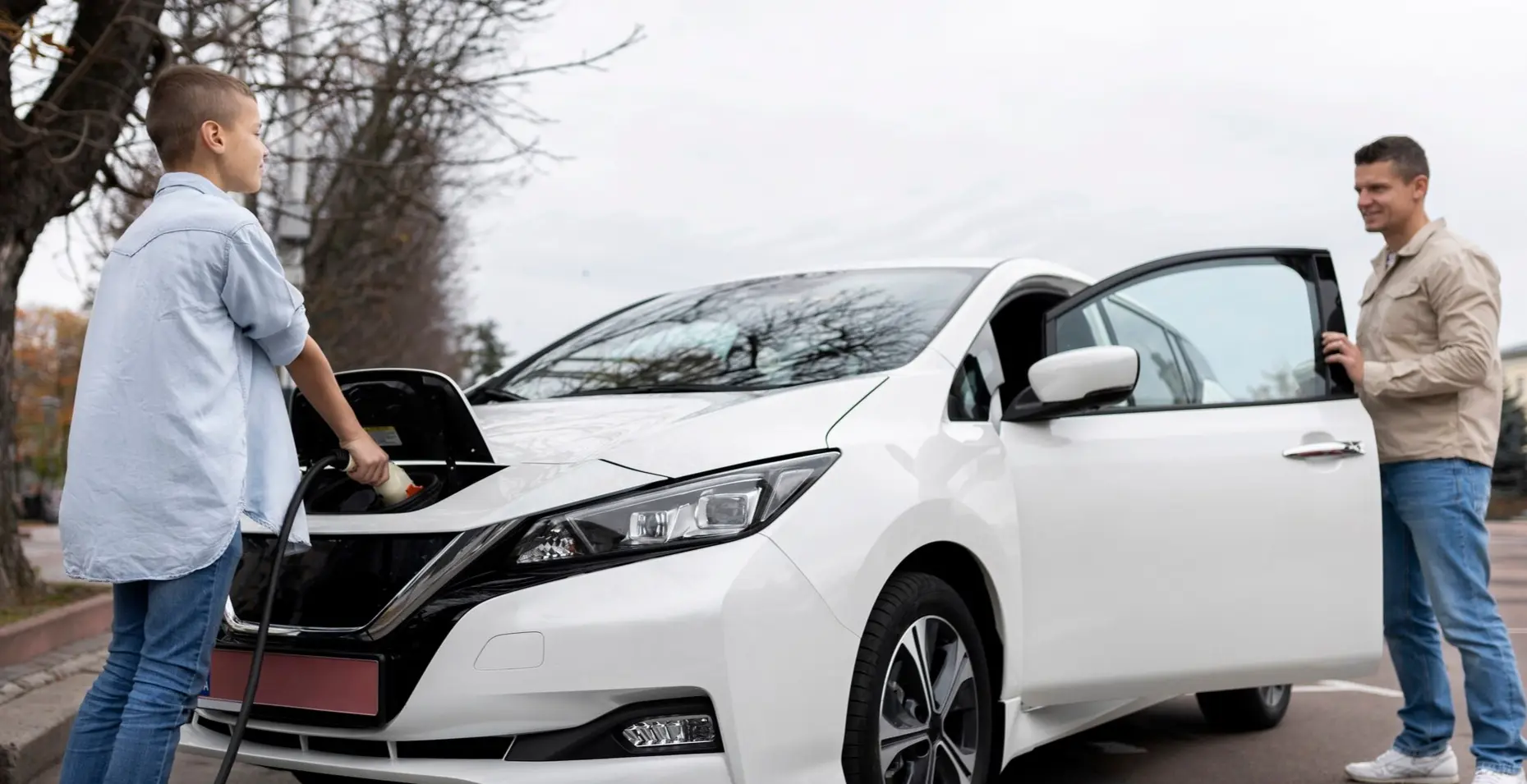
Quick Definition
A hybrid car is a vehicle that combines an internal combustion engine (usually gasoline-powered) with one or more electric motors and a high-voltage battery pack. The system automatically alternates between or blends both power sources to increase fuel efficiency, reduce tailpipe emissions, and recharge its own battery through regenerative braking without necessarily needing an external wall plug.
How It Works
A hybrid powertrain uses an onboard computer called a power control unit or hybrid ECU—to balance power delivery between fuel and electricity. Rather than operating independently, both powerplants complement each other depending on driving speed, throttle demand, and battery charge.
The system relies on three core operating phases:
1. Low-Speed & City Driving (Electric Only)
When pulling away from a standstill or cruising at low urban speeds, full hybrids shut off the internal combustion engine. The electric traction motor powers the wheels directly using energy stored in the hybrid
A hybrid car is a vehicle powered by both an internal combustion engine (usually gasoline) and one or more electric motors paired with a high-voltage battery pack. By automatically alternating between gas, electric, or a blend of both, a hybrid maximizes fuel efficiency, cuts tailpipe emissions, and eliminates the range anxiety associated with fully electric vehicles.
Unlike battery-electric vehicles, standard hybrids never need to be plugged in; they generate their own electrical energy internally through driving and regenerative braking.
How a Hybrid Car Works
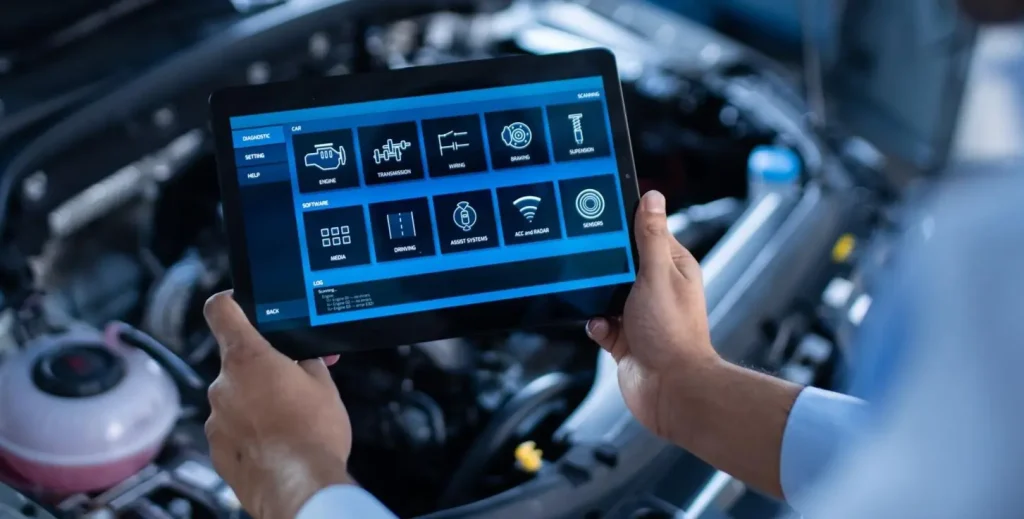
A hybrid vehicle uses an intelligent power-split management system to continuously monitor driving conditions, speed, and battery charge, determining the most efficient source of power.
[Gasoline Engine] <—-\
+—> [Transmission] —> [Drive Wheels]
[Electric Motor] <—-/ |
^ | (Kinetic Energy Recaptured)
| v
[Battery Pack] <—————–[Regenerative Braking]
The system operates across three core mechanics:
- Low-Speed & City Driving: At low speeds, during idle, or when pulling away from a complete stop, the car often runs purely on electricity stored in the battery pack, using zero fuel and producing zero local emissions.
- Cruising & Hard Acceleration: Under higher loads (highway passing, steep inclines), the gasoline engine engages. It works simultaneously with the electric motor to provide supplementary torque, allowing automakers to use smaller, more fuel-efficient combustion engines without sacrificing responsiveness.
- Regenerative Braking: In traditional vehicles, braking dissipates kinetic energy into waste heat through friction pads. Hybrids reverse the electric motor during coasting or braking, converting that momentum back into electricity to recharge the onboard battery.
Main Types of Hybrid Vehicles
Hybrid systems vary significantly based on their mechanical architecture, electrical power capacity, and charging capabilities.
| Type | How It Powers the Wheels | Battery Recharging Method | Pure Electric Range | Typical Fuel Economy Gain |
| Full Hybrid (HEV) | Engine, motor, or both combined | Regenerative braking + gas engine generator | Short bursts (1–2 miles at low speed) | 30% to 50% better than gas-only |
| Plug-in Hybrid (PHEV) | Engine, motor, or both combined | External wall plug / EV charger + regen | 20 to 50+ miles (highway capable) | Extremely high (if regularly charged) |
| Mild Hybrid (MHEV) | Gas engine always drives wheels; 48V motor assists | Regenerative braking | None (engine cannot shut off while moving) | 5% to 15% improvement |
1. Full Hybrid (HEV)
Also known as a self-charging hybrid (e.g., Toyota Prius, Honda CR-V Hybrid), a full hybrid features a balanced gas-electric drivetrain. The electric motor can propel the car independently at low speeds, or join forces with the engine when power demands rise. You fuel it exclusively at standard gas stations.
2. Plug-in Hybrid (PHEV)

A PHEV carries a substantially larger battery pack and a more potent electric motor. It behaves like an electric vehicle for everyday commutes (typically 20–50+ miles on electricity alone). Once the battery depletes, the car seamlessly switches to standard HEV operation using gasoline. PHEVs can be plugged into standard 120V household outlets or 240V Level 2 chargers.
3. Mild Hybrid (MHEV)
Mild hybrids employ a low-voltage electrical setup (typically 48 volts) paired with a small starter-generator motor. The electric motor assists the gas engine during acceleration, powers onboard electronics, and enables aggressive engine start-stop behavior. However, it cannot drive the wheels on electric power alone.
Pros and Cons of Hybrid Cars
Advantages
- Exceptional City Mileage: Frequent stopping and starting allows hybrids to harvest energy continuously, making them far more efficient in urban traffic than conventional gas cars.
- No Charging Hassle (Standard Hybrids): HEVs require no change in driver habits—fill up at any standard gas pump and drive without worrying about public charger availability.
- Reduced Brake Wear: Because regenerative braking handles a large portion of daily deceleration, standard friction brake pads and rotors last significantly longer.
- Lower Emissions: Reduced fuel consumption leads directly to fewer greenhouse gas emissions and lower carbon output over the vehicle’s lifespan.
- Strong Resale Value: High fuel prices and corporate transitions toward electrification maintain steady secondary-market demand for proven hybrid models.
Disadvantages
- Higher Initial Purchase Price: Hybrids typically carry an upfront premium of $1,500 to $4,000 over comparable purely gasoline-powered trim levels.
- Complex Powertrains: Housing two separate propulsion systems increases mechanical complexity, which can translate to higher specialized repair costs out of warranty.
- Battery Degradation: While modern hybrid batteries are designed to last 100,000 to 150,000 miles (and often carry 8-to-10-year federally mandated warranties), replacement packs outside warranty can cost between $2,000 and $6,000.
- Marginal Highway Advantage: Hybrids see their highest efficiency gains in stop-and-go driving. On flat, high-speed highway stretches where regenerative braking rarely activates, fuel savings narrow compared to efficient modern turbo engines or diesels.
Hybrid vs Electric vs Gas: Key Differences
To understand where hybrids sit in the automotive landscape, consider how they compare to conventional vehicles and battery-electric vehicles (BEVs):
| Feature | Conventional Gas (ICE) | Traditional Hybrid (HEV) | Plug-in Hybrid (PHEV) | Fully Electric (BEV) |
| Primary Fuel | Gasoline / Diesel | Gasoline | Electricity + Gasoline | Electricity only |
| Requires Plugging In? | No | No | Optional, but recommended | Yes |
| Tailpipe Emissions | Standard | Reduced (20–40% less) | Zero on battery mode | Zero |
| Range Anxiety | None | None | None (gas backup) | Requires route planning |
| Refueling Time | 3–5 minutes | 3–5 minutes | 3–5 min (gas) / 2–5 hrs (EV) | 20–60 min (DC fast charge) |
| Complexity Level | Standard | High (dual powertrains) | Very High (dual + large battery) | Low (fewer moving parts) |
Frequently Asked Questions
Do you have to plug in a hybrid car?
No. Standard full hybrids (HEVs) and mild hybrids (MHEVs) cannot be plugged in. Their batteries charge automatically through the gas engine and regenerative braking. Only Plug-in Hybrids (PHEVs) have charging ports, and even they can be driven on gasoline alone if the battery runs empty.
How long does a hybrid car battery last?
Modern hybrid batteries are engineered to last the lifetime of the vehicle, typically between 100,000 and 150,000 miles (often 10 to 15 years). In the United States, federal law requires automakers to warranty hybrid batteries for at least 8 years or 100,000 miles (10 years or 150,000 miles in California-emissions states).
Can a hybrid car run on just gas if the battery dies?
A hybrid cannot operate with a completely failed or removed high-voltage hybrid battery, because the hybrid system relies on the electric motor/generator to start the gas engine and manage the transmission. However, in day-to-day operation, when the dashboard indicates a “discharged” battery, there is still enough reserve capacity to start the engine and let the vehicle drive normally on gasoline while actively recharging itself.
Are hybrid cars more expensive to maintain?
Routine maintenance costs (oil changes, tire rotations, fluid checks) are virtually identical to standard vehicles. Routine brake maintenance is often lower due to regenerative braking. Long-term ownership costs remain comparable to gas cars, though post-warranty electrical repairs can be more specialized.