
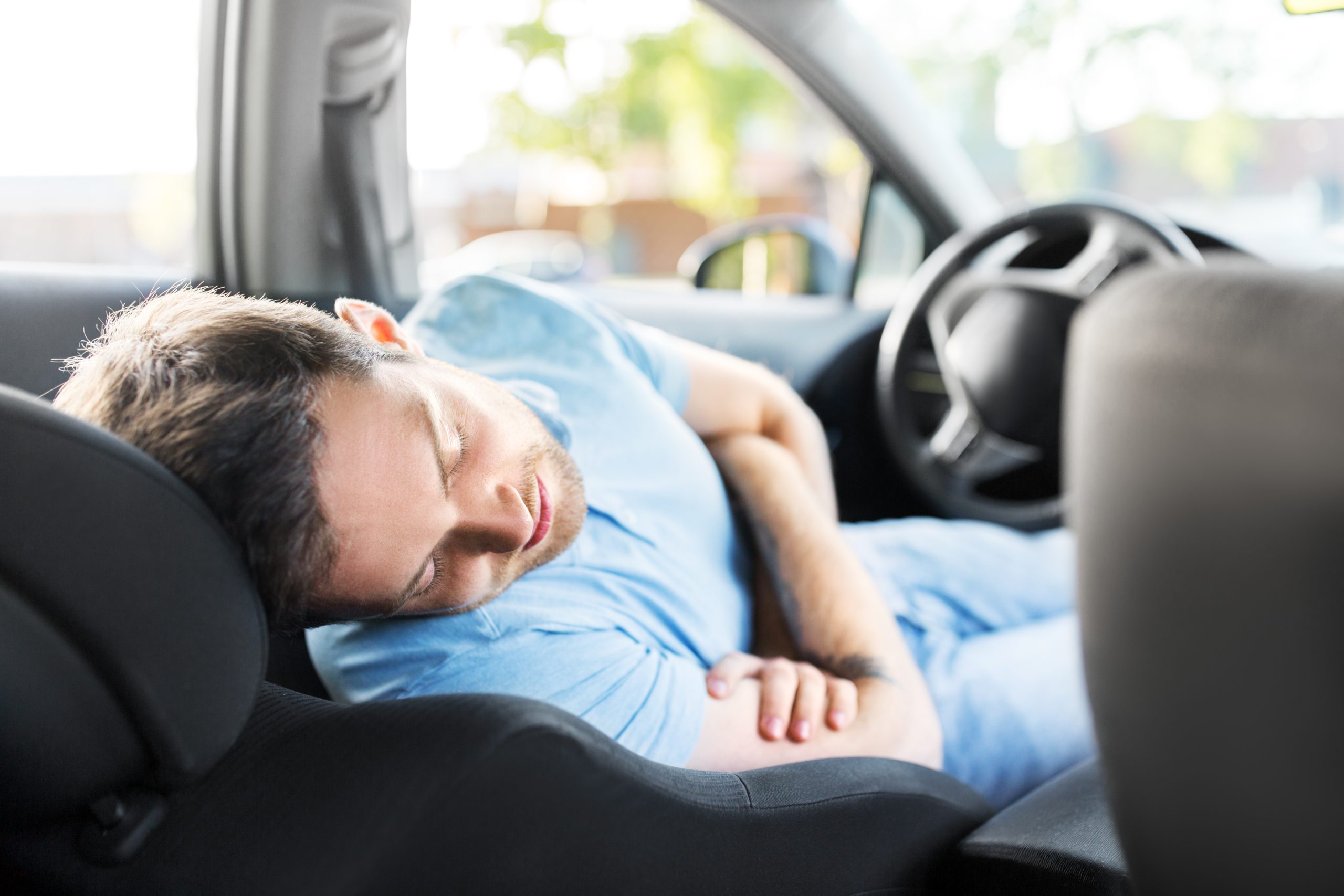
Sleeping in a car is not the same as sleeping in a bed, but with the right preparation, you can make the experience considerably more comfortable. Whether you are dealing with an unexpectedly long journey, waiting between activities, or taking a planned road trip, small changes can make a big difference.
However, comfort should never come at the expense of safety. Where you park, ventilation, temperature, and your surroundings all matter.
1. How to Sleep Comfortably in a Car: Quick Answer
To sleep comfortably in a car, choose a safe and legal parking location, recline the seat or create a flat sleeping surface, use a pillow and appropriate blanket, block excessive light, and maintain safe ventilation. Avoid sleeping with the engine running in an enclosed space, and check local parking rules before settling down.
The goal is to make the car feel less like a cramped seat and more like a small resting space.
2. What You’ll Need
You do not need a huge amount of equipment.
Useful items include:
- Comfortable pillow
- Blanket or sleeping bag appropriate for the weather
- Clean sheet or sleeping mat
- Eye mask
- Earplugs
- Water
- Phone and charger
- Small flashlight
- Basic personal essentials
- Window shades or suitable sunshades
If you regularly travel by car, keeping a small comfort kit can save time when you need to rest.
Avoid filling the passenger compartment with unnecessary equipment. Keeping the space organized gives you more room and makes it easier to exit quickly if necessary.
3. Choose a Safe and Legal Place to Park
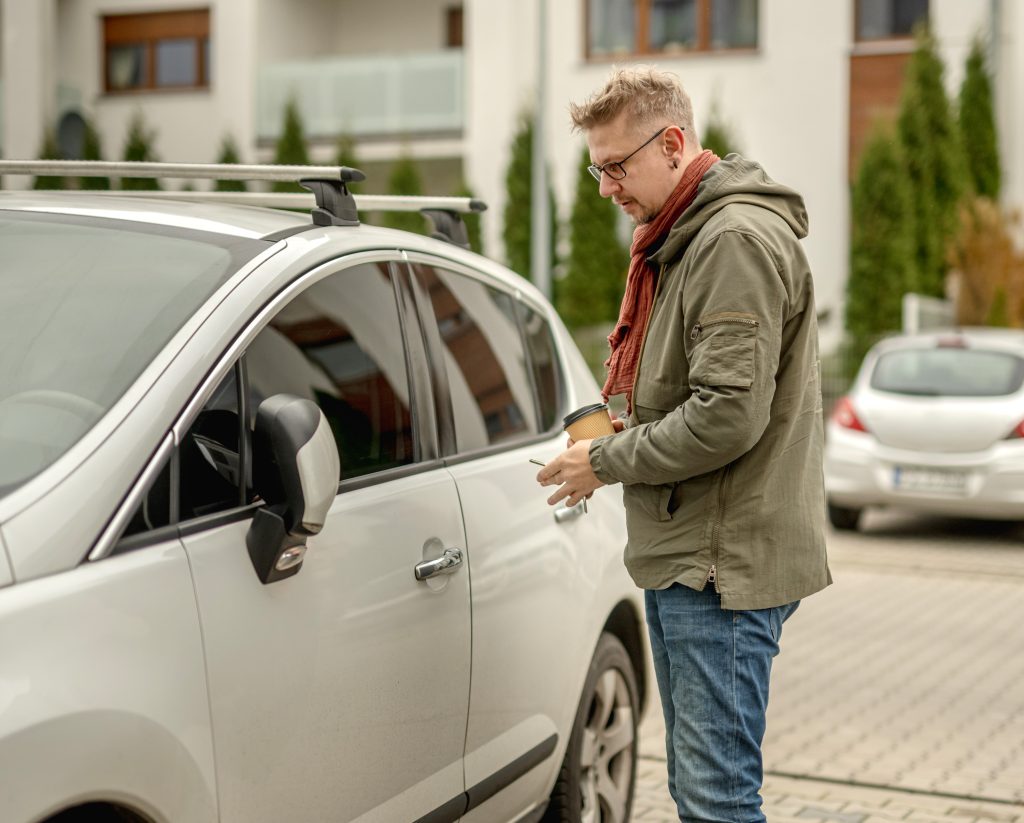
This is more important than comfort.
Before thinking about pillows or blankets, make sure you are somewhere where overnight parking or resting in the vehicle is permitted.
Possible options can include locations that explicitly allow vehicle overnight stays, such as an appropriate campsite or designated rest area.
Check local rules and posted signs.
Look for a location that is:
- Legal for overnight parking
- Well maintained
- Away from moving traffic
- Appropriate for overnight stays
- Not blocking entrances or emergency access
- Not isolated in an unsafe way
If you are traveling with someone else, tell them where you are staying.
Do not choose a hidden or prohibited location simply because it feels more private.
4. Prepare the Car Before Sleeping
Once you have parked safely, organize the interior.
Remove unnecessary items from the seats and floor. Put bags somewhere secure where they will not interfere with your movement.
Then adjust the seats.
Depending on your vehicle, you might be able to recline a front seat or fold rear seats to create additional space.
If you are using a rear sleeping area, make sure the surface is reasonably flat.
Think of the interior as a small room. You would not try to sleep comfortably in a room covered with bags and random objects, so the same principle applies here.
Keep an Exit Clear
Make sure you can get out of the vehicle without moving a pile of belongings first.
This is especially important in an unfamiliar location.
5. Find the Most Comfortable Sleeping Position

Different vehicles provide different amounts of space.
Reclined Front Seat
For a short rest, reclining the passenger seat can be relatively simple.
Move the seat into a comfortable position and support your head and neck with a suitable pillow.
Folded Rear Seats
Some vehicles allow the rear seats to fold down, creating a larger surface.
If there is a noticeable gap or uneven section, a suitable sleeping pad can make the surface more comfortable.
SUV or Hatchback
Larger vehicles may provide more interior space, but you should still avoid forcing yourself into an awkward position.
Your neck and back should remain reasonably supported.
If you wake up with significant stiffness or discomfort, change your position rather than trying to endure it.
6. Create a Better Sleeping Surface
A car seat is designed for sitting, not sleeping.
That means the surface can have awkward angles, gaps, and pressure points.
A thin sleeping mat or appropriately sized camping mattress can make a substantial difference.
You can also use a folded blanket to provide additional cushioning over hard or uneven areas.
Use a Proper Pillow
A pillow that supports your head and neck is usually more useful than simply piling up clothes.
Avoid positioning your head against hard vehicle components.
Keep Bedding Simple
A lightweight blanket or sleeping bag is usually easier to manage than bulky bedding.
The less clutter you have, the more usable space remains.
7. Control Light and Privacy
Streetlights, headlights, and early morning sunlight can make sleeping difficult.
Window shades can reduce light and make the interior more comfortable.
An eye mask is another simple option.
However, do not cover windows in a way that prevents you from seeing your surroundings when you need to leave or creates an unsafe situation.
You should also avoid obstructing your ability to check outside before opening the door.
Privacy is useful, but visibility and awareness remain important.
8. Keep the Temperature Comfortable
Temperature can be one of the biggest challenges when sleeping in a car.
In Warm Weather
Choose a safe location with suitable airflow and avoid allowing the interior to become dangerously hot.
Never assume that cracking a window slightly makes a dangerously hot vehicle safe.
If the temperature is becoming uncomfortable or unsafe, leave the vehicle and move to a suitable indoor or designated location.
In Cold Weather
Use appropriate clothing and bedding rather than relying on the vehicle’s heating system throughout the night.
A warm sleeping bag or additional insulating layer can help.
Never use a camping stove, charcoal, or another combustion device inside the vehicle.
These can produce dangerous gases and create a serious fire or poisoning risk.
9. Improve Ventilation Safely
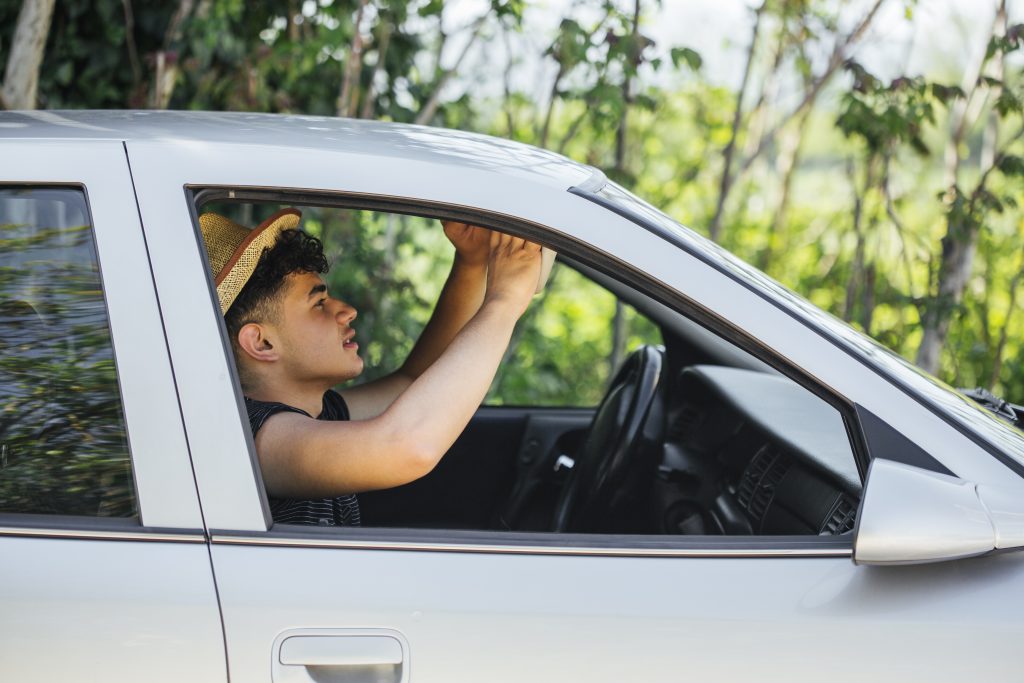
Fresh air can make the interior feel less stuffy.
If local conditions and security allow, a small opening in a window may provide some airflow.
However, do not leave windows wide open in an insecure environment or during severe weather.
Most importantly:
Never sleep in an enclosed space with the engine running.
A running vehicle can produce carbon monoxide, an odorless and potentially deadly gas. A garage or other enclosed area is particularly dangerous.
Do not use the car’s engine as a substitute for safe overnight temperature control.
10. Manage Noise and Other Distractions
Cars can be surprisingly noisy at night.
Traffic, people, weather, alarms, and nearby activity can interrupt sleep.
Earplugs can help reduce ordinary background noise.
An eye mask can also help if light is the main problem.
If the surroundings become unusually noisy or concerning, do not simply try to sleep through it. Reassess the location and move to a safer permitted place when possible.
Your surroundings matter more than getting a few extra hours of sleep.
11. Keep Your Belongings and Phone Secure
Keep important belongings close and organized.
Your phone should be charged enough for emergencies, and you should know where your keys are.
Do not leave valuable items visibly displayed through the windows.
Before settling down, make sure you know how to unlock and exit your vehicle.
If you are traveling with another person, agree on where your important items are kept and what you will do if something unexpected happens.
A comfortable sleeping setup should never make it difficult to leave the vehicle quickly.
12. Common Mistakes to Avoid
Sleeping Somewhere You Are Not Allowed to Park
Always check signs and local regulations.
Leaving the Engine Running While Sleeping
This is an important safety risk, particularly in enclosed or poorly ventilated areas.
Using Open Flames Inside the Car
Do not use candles, camping stoves, charcoal, or similar combustion devices inside the vehicle.
Ignoring Extreme Temperatures
A vehicle can become dangerously hot or cold. Do not treat uncomfortable temperatures as something you simply have to tolerate.
Blocking Every Window
Too much privacy can reduce your awareness of what is happening outside.
Packing the Car With Too Much Gear
A crowded interior makes sleeping less comfortable and can make an emergency exit harder.
Choosing Privacy Over Safety
An isolated location is not automatically safer.
Ignoring Warning Signs
If you feel dizzy, unusually weak, confused, nauseated, or otherwise unwell, get out of the vehicle and seek appropriate help immediately.
13. Safety Notes and When to Stop
Sleeping in a car should be treated as a temporary resting arrangement, not automatically as a substitute for safe accommodation.
Move to a safer location or seek indoor accommodation if:
- The weather becomes extreme.
- You feel unsafe where you are parked.
- The vehicle becomes excessively hot or cold.
- You notice concerning fumes or unusual exhaust smells.
- You feel unwell.
- The parking location becomes prohibited or unsafe.
- You cannot maintain adequate ventilation.
- You cannot exit the vehicle easily.
Carbon Monoxide Warning
Carbon monoxide cannot be reliably detected by smell.
Never sleep in a garage, enclosed parking structure, or another enclosed space with the engine running.
If you suspect carbon monoxide exposure, get into fresh air immediately and seek emergency medical assistance.
14. Morning Checklist
Before driving away, take a few minutes to reset the car.
Check:
- Your phone and charger
- Wallet and keys
- Personal belongings
- Under the seats
- Door pockets
- Sleeping equipment
- Trash
- Windows
- Mirrors
- Surrounding area
Then adjust your seat and mirrors before driving.
If you are tired after sleeping poorly, do not drive simply because you planned to leave at a particular time. Fatigue can impair driving ability.
Rest longer or use another safe transportation option if necessary.
Conclusion
Knowing how to sleep comfortably in a car is largely about preparation. Choose a legal and safe location, organize the interior, create a reasonably flat sleeping surface, use comfortable bedding, manage light and noise, and take temperature and ventilation seriously.
The most important rule is simple: comfort comes after safety.
A pillow can make an uncomfortable seat better, but it cannot make an unsafe parking location safe. Plan the location first, then make the interior comfortable.
Frequently Asked Questions
1. Is it safe to sleep in a car overnight?
It can be possible in an appropriate, legal location, but safety depends on the surroundings, weather, ventilation, and vehicle setup. Avoid enclosed spaces and never sleep with the engine running in an enclosed area.
2. How can I make a car seat more comfortable for sleeping?
Recline the seat as appropriate, use a supportive pillow, and add a folded blanket or suitable sleeping mat to reduce uncomfortable pressure points. Larger vehicles may allow the rear seats to be folded for a flatter surface.
3. Should I leave my car running while sleeping?
No. Sleeping with the engine running can create serious risks, especially in enclosed or poorly ventilated locations. It is safer to prepare for the expected temperature using appropriate clothing and bedding.
4. How can I stay warm while sleeping in a car?
Use weather-appropriate clothing, blankets, or a suitable sleeping bag. Avoid using open flames, charcoal, camping stoves, or other combustion devices inside the vehicle.
5. How can I reduce light and noise when sleeping in a car?
An eye mask, earplugs, and suitable window shades can help. However, do not block your ability to monitor your surroundings or exit the vehicle safely.
6. Can I sleep in my car anywhere?
No. Parking and overnight sleeping rules vary by location. Check posted signs and local regulations and use designated or explicitly permitted areas whenever possible.