


Quick Definition
Car body types define a vehicle’s architectural shape, chassis layout, and cabin configuration. The five primary passenger styles are Sedans (low-slung, enclosed separate trunk), Hatchbacks (compact, upward-opening rear hatch), SUVs (rugged, high-clearance truck or wagon frames), Crossovers (SUV-like bodies built on car unibody frames), and MPVs (box-shaped passenger carriers prioritizing multi-row seating).
How Car Body Design Works
Automotive designers categorize passenger vehicle structures using a “box” architecture and chassis construction style:
- Three-Box Design: Divided into three distinct exterior compartments: engine, passenger cabin, and enclosed trunk (e.g., standard Sedans).
- Two-Box Design: Features an engine bay up front and a continuous shared cabin that blends the passenger space with the cargo area via a rear door or liftgate (e.g., Hatchbacks, SUVs, Crossovers, and MPVs).
- Chassis Construction:
- Unibody (Monocoque): The chassis and body form a single, integrated steel or aluminum structure. It provides lighter weight, sharper handling, superior crash crumple zones, and better fuel efficiency. Sedans, hatchbacks, and crossovers use unibody construction.
- Body-on-Frame (Ladder Frame): A separate vehicle body is bolted directly onto a rigid, heavy-duty ladder-style frame. This design handles torsional strain, rough terrain, and heavy towing. Traditional full-size SUVs use this layout.
Detailed Breakdown of the 5 Core Body Types
1. Sedan (Saloon)
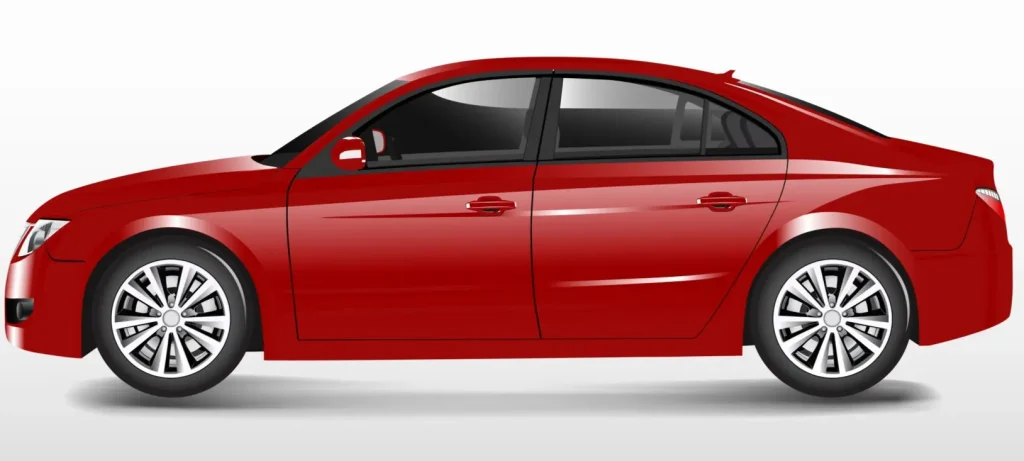
A sedan is a traditional passenger car featuring a classic three-box silhouette, four doors, and a distinct, sealed trunk separated from the main cabin.
- Key Variations: Compact (e.g., Honda Civic, Toyota Corolla), Mid-size (e.g., Toyota Camry), Full-size Executive/Luxury (e.g., BMW 3/5 Series, Mercedes-Benz E-Class).
- Driving Feel: Low center of gravity, agile cornering, high aerodynamics, and minimal road/wind noise.
2. Hatchback
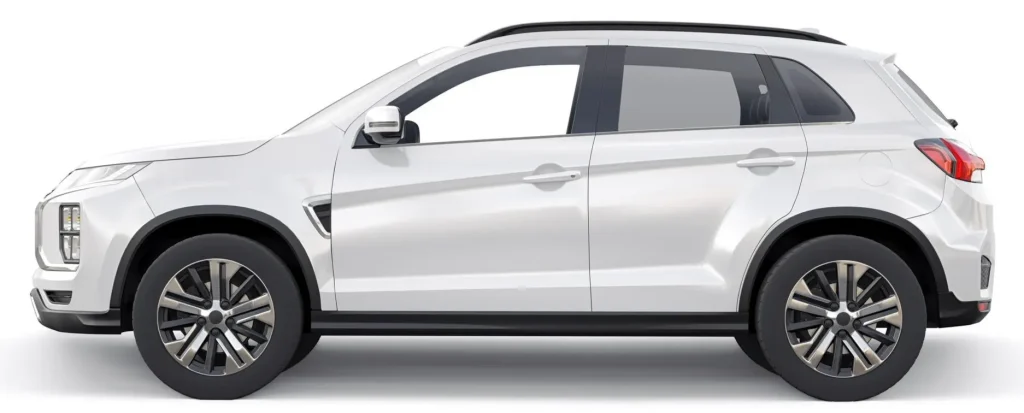
A hatchback is a two-box passenger car with a roofline extending to the rear, ending with a top-hinged upward-lifting tailgate (the “hatch”) that incorporates the rear window glass.
- Key Variations: Subcompact city runabouts (e.g., Suzuki Swift, Toyota Yaris) and performance-focused “Hot Hatches” (e.g., Volkswagen Golf GTI/R, Honda Civic Type R).
- Driving Feel: Tight turning radius, lightweight agility, and effortless parking in dense urban spaces.
3. SUV (Sport Utility Vehicle)
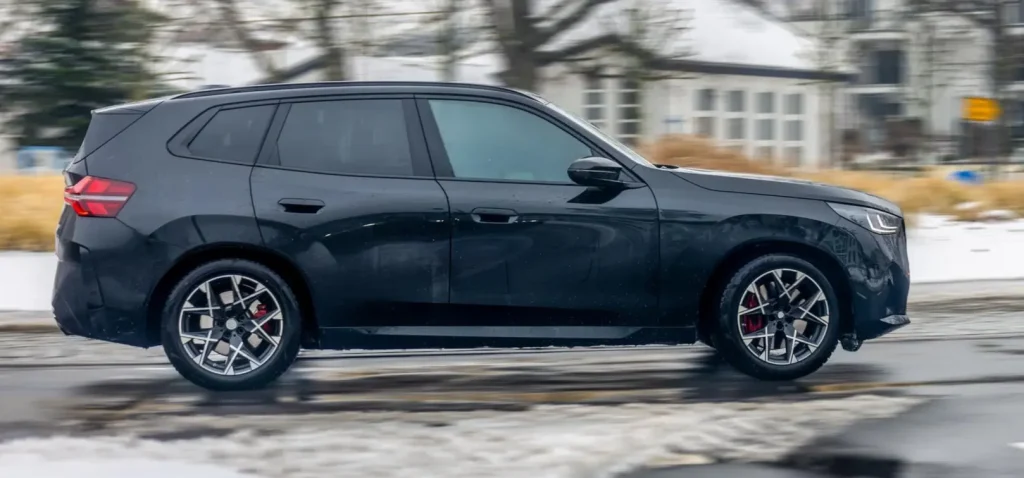
Originally developed from utility vehicles and light pickup chassis, a traditional SUV features tall ground clearance, a high seating position, and robust all-weather or off-road drive configurations (4WD).
- Key Variations: Mid-size/Full-size body-on-frame SUVs (e.g., Toyota Land Cruiser/Prado, Toyota Fortuner, Ford Everest).
- Driving Feel: High driving vantage point, commanding road presence, durable over unpaved roads, but prone to body roll around fast corners due to a high center of gravity.
4. Crossover (CUV – Crossover Utility Vehicle)

A crossover blends the rugged silhouette, elevated ride height, and cargo volume of an SUV with the fuel efficiency, comfort, and unibody platform of a standard passenger car or hatchback.
- Key Variations: Subcompact & Compact CUVs (e.g., Toyota RAV4, Honda HR-V/CR-V, Hyundai Tucson).
- Driving Feel: Rides smoothly like a sedan or hatchback over paved roads, with light all-wheel-drive traction for rain, snow, or uneven dirt paths.
5. MPV (Multi-Purpose Vehicle / Minivan)

An MPV focuses on passenger density, cubic internal capacity, and cabin modularity. Featuring a tall, boxy roofline and short hood, MPVs offer 7 to 8 forward-facing seats across three rows, often with rear sliding doors.
- Key Variations: Compact urban MPVs (e.g., Toyota Avanza/Veloz, Mitsubishi Xpander) and full-size executive vans (e.g., Toyota Alphard, Kia Carnival).
- Driving Feel: Tuned for plush ride comfort and highway cruising rather than aggressive driving dynamics.
Pros and Cons Comparison
| Body Type | Key Advantages | Trade-offs & Limitations | Best Suited For |
| Sedan | • Superior fuel efficiency • Precise steering and handling • Quieter, sealed trunk isolates cargo smells | • Fixed cargo opening limits tall items • Lower ground clearance | Highway commuters, executive transport, long-distance travelers. |
| Hatchback | • Compact footprint makes parking effortless • Fold-down rear seats allow tall cargo loading • Economical running costs | • Limited rear-seat legroom in compact models • Small trunk volume when rear seats are upright | City drivers, first-time car buyers, tight parking environments. |
| SUV | • Heavy towing and load capacity • High ground clearance handles deep ruts/water • True four-wheel-drive capability | • Higher fuel consumption • Stiffer truck-like ride on asphalt • Large blind spots and parking bulk | Off-road enthusiasts, rugged rural driving, heavy-duty towing. |
| Crossover | • Elevated seating position with car-like comfort • Better fuel economy than traditional SUVs • Flexible cargo area | • Limited extreme off-road capability • Lower towing capacities than ladder-frame SUVs | Modern small-to-midsize families wanting SUV looks with daily convenience. |
| MPV | • Maximum headroom and legroom per passenger • Flexible 7–8 seat arrangements • Wide, low-step sliding doors for easy entry | • Boxy, utilitarian styling • Taller body causes wind wander at highway speeds | Joint families, group transport, and airport shuttles. |
Comparison to Related Concepts
- Crossover vs. SUV: While dealerships and marketing brochures often use “SUV” interchangeably, true SUVs use truck-based, body-on-frame builds for heavy torque and off-roading. Crossovers use monocoque car skeletons, prioritizing road manners and weight savings.
- Hatchback vs. Station Wagon: An estate or station wagon is an elongated sedan where the roofline continues all the way to the rear bumper to create an extended luggage compartment. A hatchback has a clipped rear overhang designed to keep total car length short.
- MPV vs. 7-Seater SUV: An MPV provides full adult headroom and legroom in row three, paired with a flat floor and low entry step. A 7-seater SUV often positions the third row over a raised rear axle, reducing rear passenger legroom to a space best suited for children.
Frequently Asked Questions
What does SUV stand for?
SUV stands for Sports Utility Vehicle. The name originally described rugged vehicles equipped with four-wheel drive and raised chassis that could carry sports/camping gear over rough terrain.
What does MPV stand for?
MPV stands for Multi-Purpose Vehicle. In North America, larger MPVs are commonly referred to as minivans or passenger vans.
Why are sedans losing popularity to crossovers?
Crossovers provide a higher seating hip-point that makes entering and exiting easier, paired with better outward visibility over traffic and a versatile rear liftgate, while matching the fuel economy of similarly sized sedans.
Is a crossover safer than a sedan?
Not necessarily. While a crossover provides an elevated vantage point and higher bumper height, modern sedans maintain lower centers of gravity, making them less susceptible to rollovers during sudden evasive maneuvers. Crash safety depends on vehicle safety ratings, frame crumple zones, and active driver-assist systems rather than height alone.