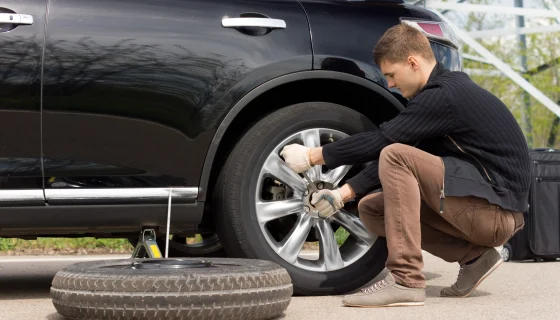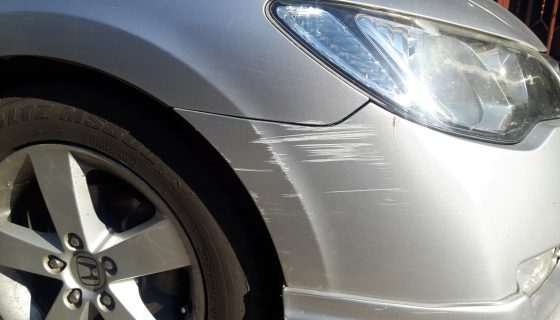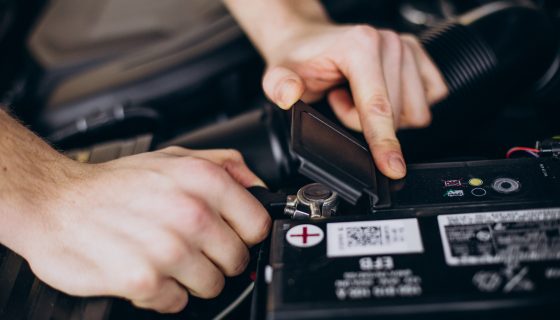

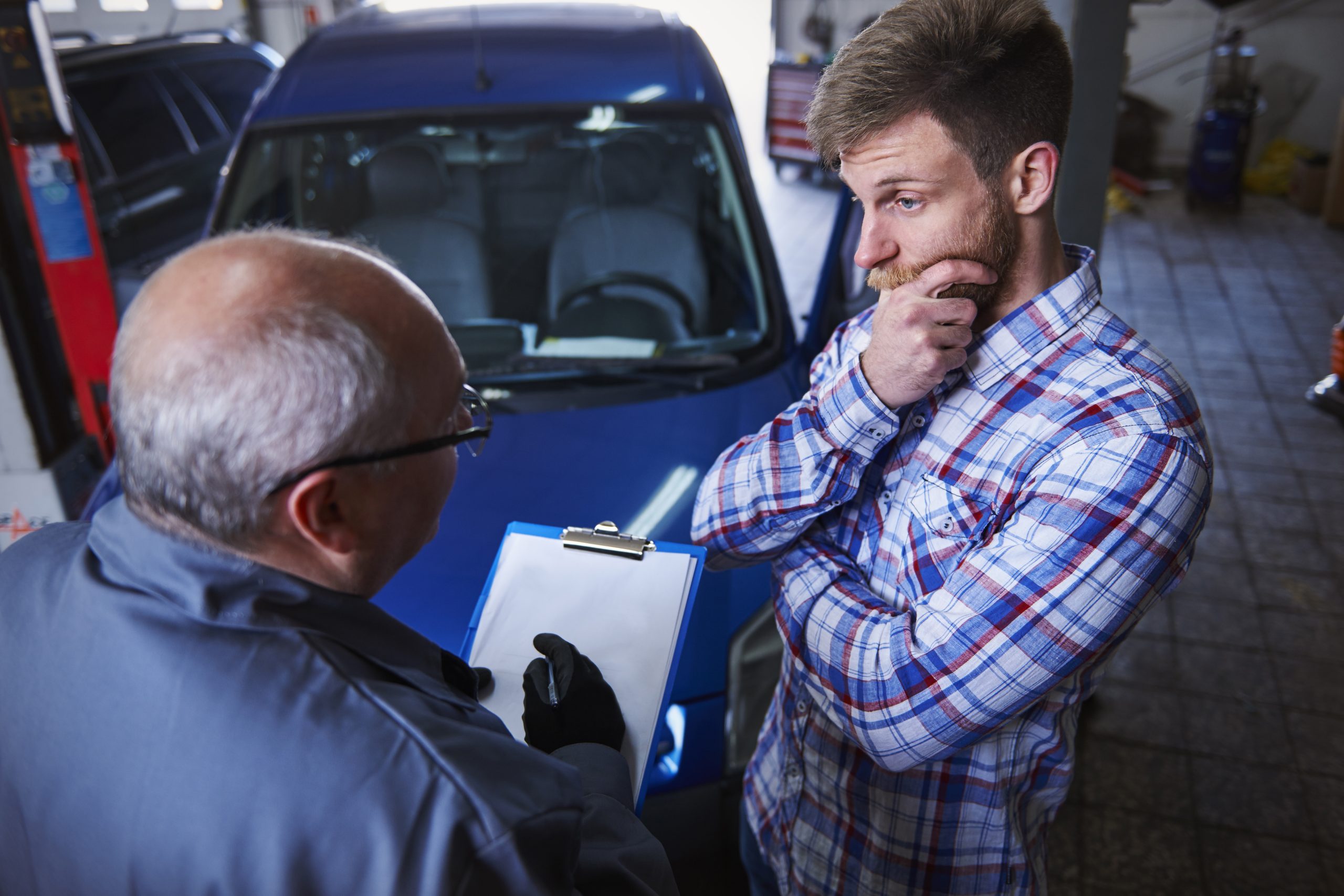
Vehicle recalls protect drivers from dangerous factory defects. Automakers issue recalls to fix mechanical or software faults. These repairs are completely free.
Many countries, including Bangladesh, lack a single government VIN database. However, you can still check your car easily. You can use official automaker tools, international portals, or authorized local distributors.
Quick Answer
To check for a car recall, find your 17-character Vehicle Identification Number (VIN). Enter this code into your brand’s official lookup tool. For Japanese Domestic Market (JDM) or gray-market imports, check the chassis number directly with the manufacturer or an authorized local 3S dealership.
What You’ll Need
- Vehicle Identification Number (VIN) or Chassis Code: A 17-character alpha-numeric code (or shorter Japanese chassis prefix).
- Key Vehicle Details: Exact brand (such as Toyota, Honda, Nissan, or Mitsubishi), model name, and production year.
- Official Documents: Your registration certificate, insurance paper, or BRTA vehicle registration document (“Blue Book”).
- Web Access: A browser to open official brand recall databases.
Step-by-Step Instructions
1. Locate Your VIN or Chassis Number
- Look at the base of the driver’s side windshield.
- Open the driver’s door. Read the metal certification plate on the door jamb.
- Check your vehicle registration papers issued by your transport authority.
2. Identify the Origin of Your Vehicle
- Official Importer Units: Cars sold brand-new by authorized local distributors.
- JDM Re-Imports: Pre-owned cars imported from auctions in Japan.
- North American / European Specs: Units built under US or EU regulatory standards.
3. Run Your VIN on Global Databases
- For US-Spec Models: Use the NHTSA Recalls Lookup Tool. The National Highway Traffic Safety Administration (NHTSA) tracks every safety defect and campaign in the US.
- For UK-Spec Models: Use the DVSA Vehicle Recalls Service. The Driver and Vehicle Standards Agency (DVSA) lists all official UK safety notices.
- For Japanese Domestic Market (JDM) Units: Look up your chassis prefix directly on Japanese automaker recall pages or search via the Ministry of Land, Infrastructure, Transport and Tourism (MLIT) recall lists.
4. Contact Authorized Local Distributors

Global databases sometimes skip private re-imports. Authorized local distributors have direct factory communication channels. Contact a local service point to verify your chassis code:
- For Toyota units, contact Navana Toyota 3S Center.
- For Mitsubishi units, check with Rangs Workshop Limited.
- Service technicians can check the automaker’s internal technical service bulletins (TSB) for your car.
Common Mistakes to Avoid

- Engine Number Confusion: Do not use the engine block code. Always use the 17-digit chassis VIN.
- Skipping Re-Imported Cars: Pre-owned imported cars still have recalls. Major brands honor safety recalls across borders.
- Ignoring Component Alerts: Small electrical or sensor warnings can cause dangerous road failures. Always check open alerts promptly.
Critical Safety Notes: When to Act Fast
- Defective Airbag Inflators: Massive recalls like the global Takata Airbag recall involve dangerous metal fragments. These require immediate repair.
- Fuel Pump & Brake Failures: Stalling engines or brake line leaks pose serious crash risks.
- Zero Repair Cost: Automaker safety recall repairs are 100% free. The manufacturer covers all parts and labor fees.
Frequently Asked Questions
Q: Does a car recall expire?
A: No. Critical safety recalls remain active for the life of the vehicle.
Q: Do I have to pay the dealership for recall fixes?
A: No. Authorized service centers complete all official recall repairs free of charge.
Q: What if my Japanese import chassis code is not 17 characters?
A: Japanese domestic cars use shorter chassis codes (e.g., NZE161-1234567). Submit this exact code directly to a brand distributor or authorized 3S workshop.