
Quick Answer
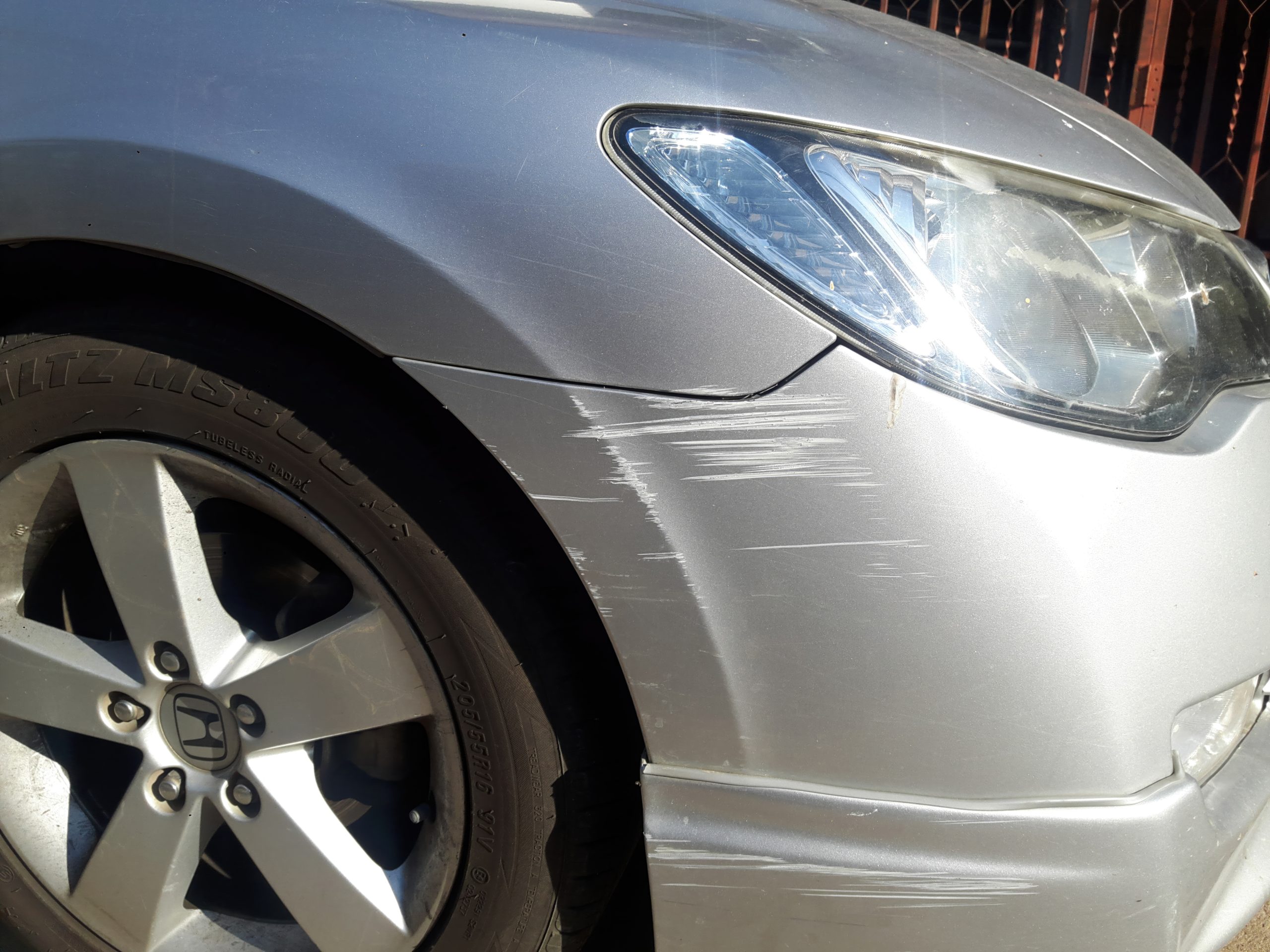
How to remove scratches from car paint depends on how deep the scratch is. Light surface scratches can often be improved by washing and drying the area, applying a suitable automotive scratch remover or polish, and finishing with wax or sealant. Deeper scratches that reach the primer or metal usually require professional repair and repainting.
What You’ll Need
Before attempting to remove a scratch, gather the right materials. You do not need an expensive detailing kit for a small surface scratch.
Basic Supplies
- Car wash soap
- Clean microfiber towels
- Bucket of clean water
- Automotive clay bar, if needed
- Automotive scratch remover or polishing compound
- Foam or microfiber applicator pad
- Automotive polish
- Car wax or paint sealant
- Masking tape
- Bright inspection light
For deeper scratches, you may need additional materials, but do not start sanding or applying touch-up paint until you know how deep the damage is.
Step-by-Step Instructions
1. Identify How Deep the Scratch Is
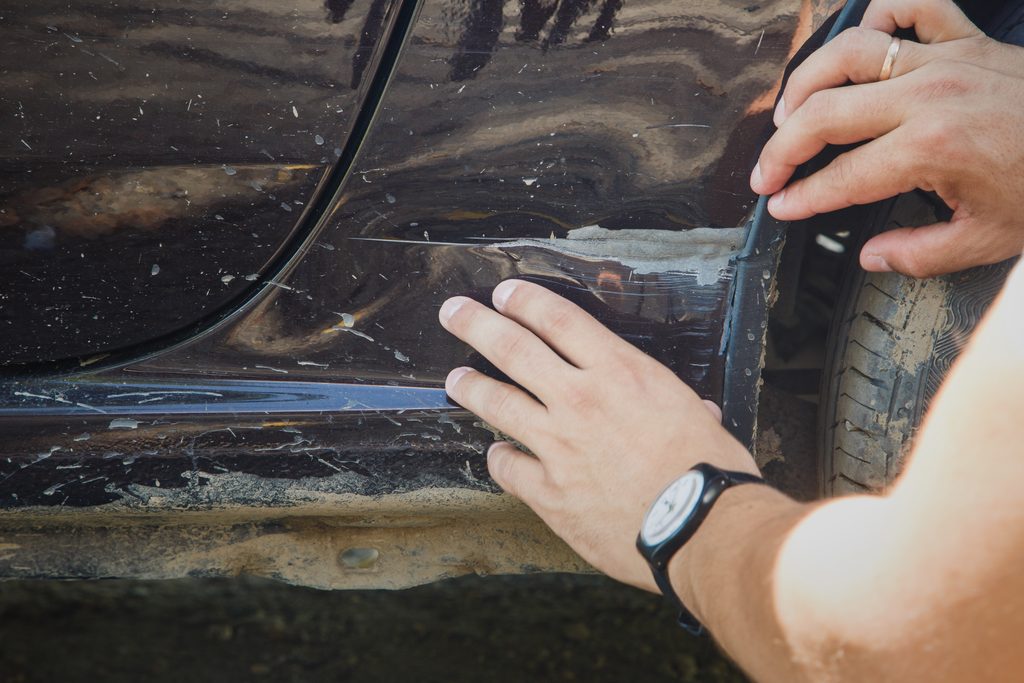
The first step is determining what you are dealing with.
Modern car paint generally consists of several layers. The visible color sits beneath a clear protective layer, while deeper layers include the base coat, primer, and sometimes exposed metal.
A useful first check is to look closely at the scratch under good lighting.
If the mark appears shallow and you can still see the surrounding paint clearly, it may only affect the clear coat.
If the scratch exposes a different color, primer, or bare metal, it is probably deeper.
Another simple check is to lightly run a clean fingernail across the scratch.
If your fingernail barely catches or does not catch at all, the scratch may be relatively shallow. If your nail catches noticeably, the damage may extend deeper into the paint.
This test is only a rough indication. It does not replace a professional inspection.
2. Wash the Area Thoroughly
Never polish a dirty car surface.
Tiny particles of sand, dust, and road grime can become trapped between your applicator and the paint. Instead of improving the scratch, you could create additional fine marks.
Wash the affected area using automotive car shampoo and clean water.
Use a microfiber wash mitt if available, and avoid aggressive scrubbing.
Once finished, rinse the area thoroughly and dry it with a clean microfiber towel.
Clean paint gives you a much safer surface to work on.
3. Inspect the Scratch Again
After washing and drying the vehicle, inspect the scratch under strong lighting.
Sometimes what looks like a scratch is actually transferred paint, dirt, or another surface contaminant.
For example, if another object lightly touches your bumper, some of its material may transfer onto your paint. Once cleaned properly, the apparent “scratch” may become much less noticeable.
If contamination remains, a suitable automotive clay bar can help remove bonded particles.
Follow the clay product’s instructions and use the recommended lubricant.
4. Protect the Surrounding Area
If you are using a polishing or scratch-removal product, consider masking nearby plastic trim and rubber components with automotive masking tape.
This is particularly useful when working around:
- Black plastic trim
- Rubber seals
- Badges
- Grilles
- Edges of panels
Work on a small area first.
Do not immediately apply the product over a large section of the vehicle.
5. Apply an Automotive Scratch Remover

For light scratches, choose a product specifically designed for automotive paint.
Apply a small amount to a clean foam or microfiber applicator.
Work gently over the affected area using the product manufacturer’s recommended technique.
For hand application, controlled overlapping movements can help distribute the product evenly.
Do not use excessive pressure.
The goal is not to aggressively remove a large amount of paint. Instead, the polishing process is intended to reduce the appearance of very shallow imperfections.
6. Wipe and Inspect the Result
After working the product according to its instructions, wipe the area with a clean microfiber towel.
Inspect it again under good lighting.
Ask yourself:
- Is the scratch less visible?
- Does the surrounding paint look even?
- Is there any residue?
- Did the product improve the appearance without creating additional marks?
If the scratch is still visible, you may be tempted to keep polishing repeatedly.
Be careful.
Repeated aggressive polishing can remove too much clear coat. If a reasonable polishing attempt does not improve the scratch, it may be deeper than a simple surface correction can fix.
7. Polish the Area if Necessary
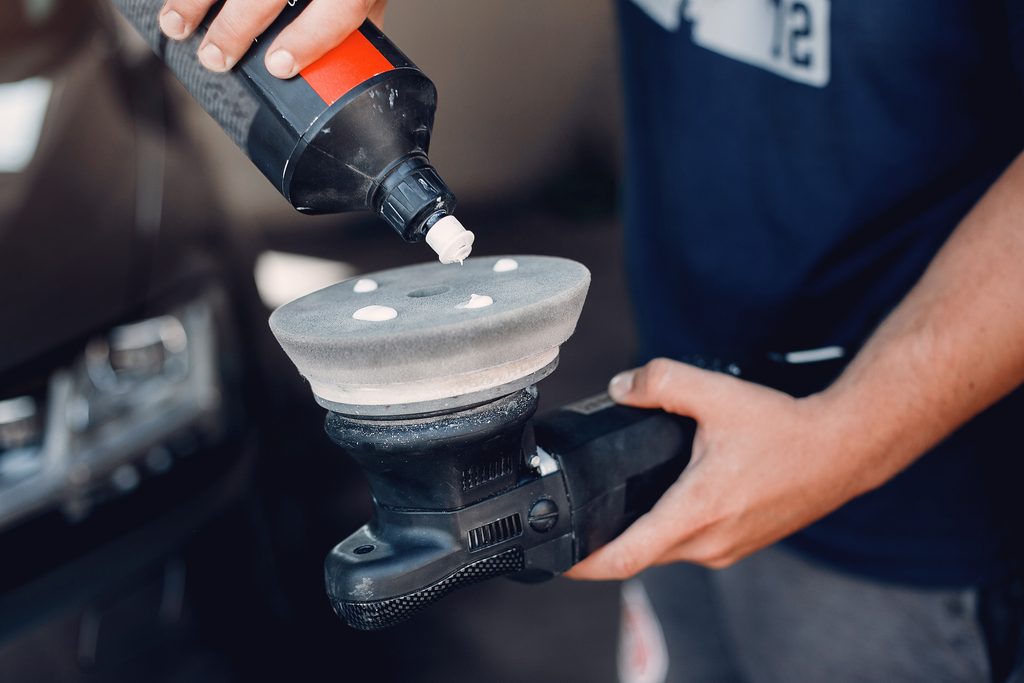
If the scratch remover leaves the area looking slightly dull, an appropriate automotive polish may help restore clarity.
Apply the polish according to its instructions and use a clean applicator.
Work slowly and inspect your progress.
For larger areas or more significant paint correction, a dual-action polishing machine can be useful. However, machine polishing requires proper technique because incorrect pad, product, speed, or pressure can damage the finish.
If you have never used a polishing machine, practicing on an appropriate test panel is safer than experimenting on your vehicle’s most visible panel.
8. Protect the Paint
Once you are satisfied with the result, apply a suitable wax or paint sealant if compatible with the products you have used.
This provides an additional protective layer over the paint.
Follow the product’s instructions for application and removal.
Remember that wax does not repair a deep scratch. It simply provides protection and can improve the overall appearance of the paint.
How to Remove Light Scratches from Car
Light scratches from car paint are often the easiest to address because they may only affect the clear coat.
Start by washing and drying the area completely. Then inspect the scratch under good lighting. Apply an automotive scratch remover or mild polishing compound with a clean applicator, using gentle pressure.
Wipe away the residue and inspect the area.
If the scratch becomes significantly less visible, finish by protecting the paint with a suitable wax or sealant.
Do not keep polishing indefinitely if the scratch does not improve. A scratch that does not respond to light polishing may be deeper than it first appears.
How to Remove Scratches from Car Paintwork
When figuring out how to remove scratches from car paintwork, the most important factor is the depth of the damage.
Clear-Coat Scratch
These scratches affect the upper protective layer.
They are the best candidates for careful polishing or scratch-removal products.
Base-Coat Scratch
If the colored paint layer is damaged, polishing alone may not completely remove the scratch.
A suitable touch-up process may be necessary.
Primer-Level Scratch
If the scratch exposes primer beneath the colored paint, more extensive repair is generally required.
Bare-Metal Scratch
If you can see exposed metal, the repair should not be treated like a simple polishing job.
The damaged area may require proper preparation, primer, color matching, and clear-coat application.
At this point, professional repair is usually the safer option.
Common Mistakes to Avoid
1. Polishing Dirty Paint
This can introduce additional marks.
Always wash the area first.
2. Using Household Cleaners
Glass cleaners, abrasive household products, and other general-purpose chemicals may not be appropriate for automotive paint.
Use products specifically designed for vehicle finishes.
3. Applying Too Much Pressure
More pressure does not automatically mean better results.
Aggressive polishing can damage the clear coat.
4. Using Sandpaper Without Experience
Wet sanding can correct certain paint defects, but it removes material from the finish.
If you do not understand paint thickness, sanding technique, and subsequent polishing, do not experiment on your car’s paintwork.
5. Expecting Wax to Repair Scratches
Wax can protect and improve the appearance of paint, but it cannot rebuild missing paint.
6. Repeating the Same Treatment Too Many Times
If the scratch is not improving, stop.
Continuing to polish can create a bigger problem than the original scratch.
7. Working in Direct Sunlight
Hot paint can affect how cleaning and polishing products behave.
Whenever possible, work in a clean, shaded environment with a comfortable surface temperature.
Safety Notes and When to Call a Professional
Removing a minor scratch is generally a manageable car-care task, but not every scratch should be treated as a DIY project.
Consider professional help if:
- You can see bare metal.
- The scratch is deep enough to catch strongly with your fingernail.
- The panel has been dented.
- A large section of paint is missing.
- The scratch covers a large area.
- You are unsure how to identify the paint layers.
- Previous repair work has already been performed on the panel.
- You are considering sanding but have no experience with paint correction.
A professional detailer or body shop can inspect the damage and determine whether polishing, touch-up paint, or repainting is appropriate.
Be Especially Careful With Machine Polishers
Machine polishing can produce excellent results when used correctly, but it is not simply a matter of putting a pad on a machine and turning it on.
Incorrect technique can create:
- Holograms
- Uneven paint correction
- Excessive heat
- Clear-coat damage
If you are inexperienced, hand polishing a small, shallow scratch is generally a more controlled starting point.
Can Toothpaste Remove Car Scratches?
You may have seen the toothpaste trick online.
The idea is that some toothpaste contains mild abrasive particles that can temporarily improve the appearance of very fine marks.
However, toothpaste is not formulated for automotive paint.
A purpose-made automotive polishing or scratch-removal product gives you much better control and is specifically designed for vehicle finishes.
For an expensive or newer vehicle, there is little reason to experiment with household products when automotive paint-care products are readily available.
How to Prevent Car Scratches
Removing scratches is useful, but preventing them is even better.
Wash With the Right Materials
Use clean microfiber wash equipment and automotive shampoo.
Avoid using rough household cloths that can drag dirt across the paint.
Keep Your Wash Equipment Clean
A dirty wash mitt can carry abrasive particles back onto your paint.
Avoid Automatic Brushes When Possible
Some automated brush systems can contribute to swirl marks and surface scratches, particularly when equipment is not maintained properly.
Be Careful Around Parking Areas
Tight parking spaces, bushes, shopping carts, and other vehicles can create opportunities for scratches.
Use Paint Protection Products
Wax, sealants, and paint-protection films can provide varying levels of protection against everyday environmental exposure and minor contact.
They cannot make paint scratch-proof, but they can form part of a broader paint-care routine.
Final Thoughts
Learning how to remove scratches from car paint starts with understanding the type of damage you are dealing with. Light clear-coat scratches may respond well to careful cleaning and polishing, while deeper scratches require a different approach.
The safest rule is simple: start with the least aggressive method and stop when it is no longer improving the finish.
If the scratch reaches the primer or bare metal, or if you are uncertain about the damage, getting professional advice can prevent a small cosmetic problem from becoming an expensive paint repair.
Frequently Asked Questions
1. Can I remove light scratches from my car at home?
Yes. Very light surface scratches can sometimes be improved at home using proper washing, an automotive scratch remover or polish, and a clean applicator. Deeper scratches may require professional repair.
2. How do I know if a car scratch is too deep to polish?
A scratch that catches noticeably with your fingernail or reveals a different paint layer may be too deep for simple polishing. If you can see primer or bare metal, polishing alone will not restore the missing paint.
3. Does car wax remove scratches?
No. Wax does not remove missing paint or repair deep scratches. It can protect the surface and may temporarily make very fine imperfections less noticeable.
4. Can toothpaste remove scratches from car paint?
Toothpaste may have a mild abrasive effect, but it is not designed for automotive paint. A purpose-made automotive scratch remover or polish is a more appropriate choice.
5. Should I use sandpaper to remove a car scratch?
Sanding can be part of professional paint correction, but it removes material from the finish and requires careful technique. If you do not have experience with automotive paint repair, professional assistance is safer.