

Buying a reconditioned Japanese car in Bangladesh? Don’t make your decision from the auction grade alone.
A Japanese car auction sheet can reveal the vehicle’s condition before it reached Bangladesh, including its mileage, accident or repair history, exterior damage, interior condition, and the auction inspector’s comments.
The problem is that these sheets are filled with Japanese abbreviations, symbols, and handwritten notes.
Here’s how to read one without getting lost.
1. Start With the Auction Grade
The large number near the top of the sheet is the overall auction grade.
As a general guide:
| Grade | What it usually indicates |
|---|---|
| 5–6 / S | Very clean or nearly new condition |
| 4.5 | Excellent used condition |
| 4 | Good condition with normal used-car wear |
| 3.5 | More noticeable cosmetic wear |
| 3 or below | Heavier wear or defects |
| R / RA | Vehicle with documented repair history |
But here’s the important part:
A Grade 4.5 car isn’t automatically better for you than every Grade 4 car.
The grade is only the starting point.
A Grade 4 car with clean history and good mechanical condition may make more sense than a higher-grade car with repairs you haven’t properly investigated.
2. Check the Interior Grade Separately
This is where many buyers stop too early.
You might see something like:
4 / B
The 4 refers to the overall vehicle grade, while B generally refers to the interior condition.
Look for things such as:
- Seat damage
- Stains
- Dashboard scratches
- Cigarette marks
- Torn upholstery
- Missing trim
- Strong odors
A clean-looking exterior doesn’t guarantee a clean interior.
3. Learn the Damage Map
This is arguably the most useful section of the auction sheet.
You’ll usually see a diagram of the car with letters and numbers showing defects.
Common markings include:
| Mark | Common meaning |
|---|---|
| A | Scratch |
| U | Dent |
| B | Dent + scratch |
| W | Repair/wave mark |
| S | Rust |
| C | Corrosion |
| X | Panel requiring replacement |
| XX | Panel already replaced |
| G | Glass damage |
The exact notation can differ between auction houses, so don’t treat every symbol as universal.
Here’s how to actually use the diagram:
Imagine you see:
A2 → Front door
U2 → Rear door
XX → Front fender
Don’t just count the marks.
Ask:
Why was that panel replaced?
That’s where the auction inspector’s comments become important.
4. W and XX Deserve Extra Attention
These two markings are particularly useful when you’re checking the car’s history.
W generally indicates repaired or refinished bodywork.
XX indicates a panel that has been replaced.
That doesn’t automatically mean the car is unsafe.
But it does mean you should investigate what happened and which part was repaired or replaced.
For example:
XX on a fender
is very different from discovering extensive repair history around multiple structural areas.
The location matters.
5. Don’t Confuse Cosmetic Damage With Structural Damage
This is one of the biggest mistakes inexperienced buyers make.
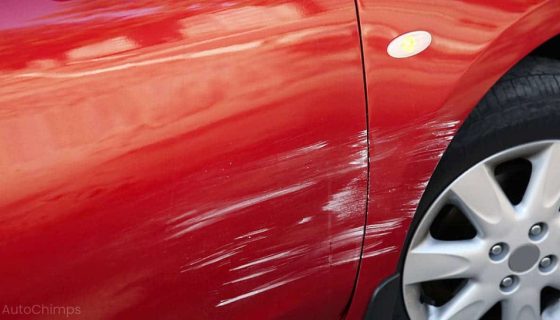
A few scratches and dents can look scary on an auction sheet but may be relatively straightforward cosmetic repairs.
On the other hand, a vehicle with accident or repair history needs closer examination of the affected areas.
Pay particular attention to information relating to:
- Chassis/frame
- Pillars
- Roof
- Floor
- Front/rear sections
- Major structural components
If the sheet indicates repair history, don’t rely on the auction grade alone.
Have the actual vehicle inspected.
6. Verify the Mileage
Suppose the auction sheet says:
Mileage: 62,000 km
But the car you’re being offered in Bangladesh is advertised as:
48,000 km
That’s not something to ignore.
Check whether the mileage shown on the auction documentation matches the vehicle’s available records.
Also compare:
Auction sheet → Export documents → Registration/import documents → Dashboard
A mileage discrepancy doesn’t automatically prove fraud, but it absolutely deserves an explanation.
7. Read the Inspector’s Notes
This is the part many buyers skip because it’s written in Japanese.
That’s a mistake.
The inspector may provide additional information about:
- Previous repairs
- Scratches
- Dents
- Rust
- Interior problems
- Mechanical issues
- Unusual noises
- Replaced parts
- Accident-related repairs
If you can’t read the handwriting, get the original Japanese auction sheet translated.
Don’t depend entirely on a seller’s simplified explanation.
8. Check the Chassis Number
The chassis number is one of the easiest ways to connect the auction sheet to the actual vehicle.
Before buying, compare the chassis number on the auction sheet with the vehicle you’re being offered.
If they don’t match, stop and investigate before proceeding.
Also check the:
- Model code
- Auction date
- Auction lot number
- Mileage
- Registration/manufacturing information
The more pieces of information that match, the easier it is to establish that you’re looking at the correct auction record.
9. Here’s a Simple Auction Sheet Checklist
Before paying for a reconditioned Japanese car, save this checklist:
Auction Grade
↓
Interior Grade
↓
Mileage
↓
Damage Map
↓
W / XX Marks
↓
Repair History
↓
Inspector’s Comments
↓
Chassis Number
↓
Physical Inspection
Don’t stop at the first number you see.
What Auction Grade Should You Buy?
There isn’t one grade that automatically makes a car the right purchase.
Instead, look at the complete picture.
For example:
Car A
Grade 4.5 + clean interior + minor cosmetic marks + consistent mileage
Car B
Grade 4 + repair history + multiple replaced panels + unclear inspector comments
The numbers alone don’t tell you the entire story.
Final Takeaway
A Japanese auction sheet is useful because it gives you information about the car before you buy it in Bangladesh.
But don’t treat it as a guarantee.
Use it to identify questions that need answers.
Grade tells you where to start.
The damage map tells you where to look.
The inspector’s notes tell you what happened.
The chassis number helps verify the vehicle.
And a physical inspection tells you what condition the car is actually in today.
If you’re buying a reconditioned Japanese car, never pay based only on “Grade 4.5” or “Grade 5.” Read the entire auction sheet first.